
- April 2026
- March 2026
- February 2026
- January 2026
- December 2025
- November 2025
- October 2025
- September 2025
- July 2025
- June 2025
- May 2025
- April 2025
- March 2025
- February 2025
- January 2025
- December 2024
- November 2024
- October 2024
- September 2024
- August 2024
- July 2024
- June 2024
- May 2024
- April 2024
- March 2024
- February 2024
- January 2024
Here’s a blurb from UHERO
 Underwood Hills Admin
 April 7, 2026
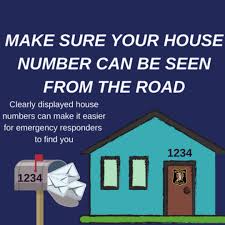
Please be sure that your house number is visible and legible from the street. Even in these days of GPS and other technologies, you want your home to be easily identified in case of an emergency. As you walk or drive through the neighborhood, you will see that many homes have obscured address information or no address identification at all. If your home is one of these, for your own safety, please go to the hardware store and get some stick-on numbers for your mailbox!!! Delivery drivers will appreciate it, too!!
Cynthia, UHNA Safety Chair (and a literal UHERO!) Contact safety@underwoodhills.org to learn more about Underwood Hills Emergency Response Organization
Crime & Time (March 21 – April 3)
UHNA Communications
April 5, 2026
In the last 2-week period (March 21 - April 3), 39 incidents were reported in Beat 204. Of those, two were reported in the area we patrol. One was an administrative report that did not involve criminal activity. On March 27, 2026, a motorist travelling on Collier Road was stopped for excessive window tint. The driver stopped on Woodland Hills and was found to be in possession of a small amount of marijuana. Citations were issued and the driver was released.
There were no significant incidents to report during this time.
Best,
Det. Kevin Leonpacher
Atlanta PD / Underwood Hills Patrol
Wayfair Opening March 31
UHNA Communications
March 30, 2026
Wayfair is opening its second large-format, brick-and-mortar store in Atlanta, GA, at The District at Howell Mill on March 31, 2026, at 10 a.m. ET. A grand opening weekend celebration is scheduled for April 17–19, 2026, featuring $50 gift cards for the first 100 daily customers, in-store deals, and family-friendly entertainment.  Wayfair +2
Key Details for the Atlanta Grand Opening:
- Location: The District at Howell Mill, Atlanta, GA.
- Store Opens: March 31, 2026, at 10 a.m. ET.
- Grand Opening Festivities: April 17 – April 19, 2026.
- Opening Weekend Events: The first 100 customers each day will receive a $50 gift card, along with family-friendly entertainment.
Thank you Volunteers!
UHNA Communications
March 30, 2026
Volunteers are 100% the lifeblood of the UHNA. Literally nothing gets done without them.
Thanks to the stalwarts that helped clean the mural, scrape, sand and paint the wooden table and bench on Saturday- APS Students Olive and Elsbeth (Legends!), UHNA Youth Coordinator Caren, Membership Chair Natalia & Treasurer Debbie (above and beyond!) & neighbors Ben, Oliver and Nelson.
Thanks also to Playgroup/Social Chair Maria for organizing the Egg Hunt Sunday, and all the others that helped out (too many to name- you know who you are!)
If you'd like to join in drop us a line uhadmin@underwoodhills.org or follow events on the Calendar (click on an entry for details).
Graduation Announcement
UHNA Communications
March 30, 2026

Do you have a high school or college grad this year? Send their name and school they're graduating from to dmassara@mindspring.com for inclusion on our neighborhood banner to be hung at the park. Please forward this to any Underwood Hills grads who might want to be included. Deadline is Saturday, April 25 at 5:00 PM.
Welcome to our new Platinum Sponsor and Underwood Hills resident: Maha Amircani
UHNA Communications
March 27, 2026
HI, I am Maha, I’m an Atlanta native and I moved to Underwood Hills in January 2025. I graduated undergrad from UGA and Law School at Georgia State. I have owned my own personal injury practice for 13 years. We represent injured people in motor vehicle accidents, trucking accidents, slip and falls, wrongful death, pedestrian accidents, and dog bites.

Crime & Time (March 7 – 20)
UHNA Communications
March 27, 2026
In the last 2-week period (March 7 - 20), 34 incidents were reported in Beat 204. Of those, one occurred in the area we patrol.
Sometime overnight between March 12 and March 13, a license plate was stolen from a vehicle parked on Marvin Street. LPR cameras captured images of the suspect vehicle with the stolen license plate affixed to the rear in west midtown around 11:00 PM. This case is under investigation by the Larceny from Auto Unit.
There were no significant incidents this period to report.
Best,
Det. Kevin Leonpacher
Atlanta PD / Underwood Hills Patrol
NEW INFORMATION ABOUT SENIOR EXEMPTION FOR YOUR PROPERTY TAXES- deadline April 1st
UHNA Communications
March 23, 2026
| The CURRENT Senior Exemption form is confusing: It says to include your Tax Returns to file (EVEN if the exemption you’re filing for is NOT Income Related): HERE’S THE CLARIFICATION: Per the Chief Appraiser at Fulton County: "Your returns are not required, but you may benefit from additional exemptions that you may not be aware of based on that information." |
| If you have questions, please contact the Fulton Assessor's Office at 404-612-6440 #4 (they have a team focusing on homestead questions). Jim Elgar Atlanta City Council Chief of Staff District 8 Councilmember Mary Norwood jqelgar@atlantaga.gov 404-330-6051 |
New Grill In the Park
UHNA Communications
March 23, 2026
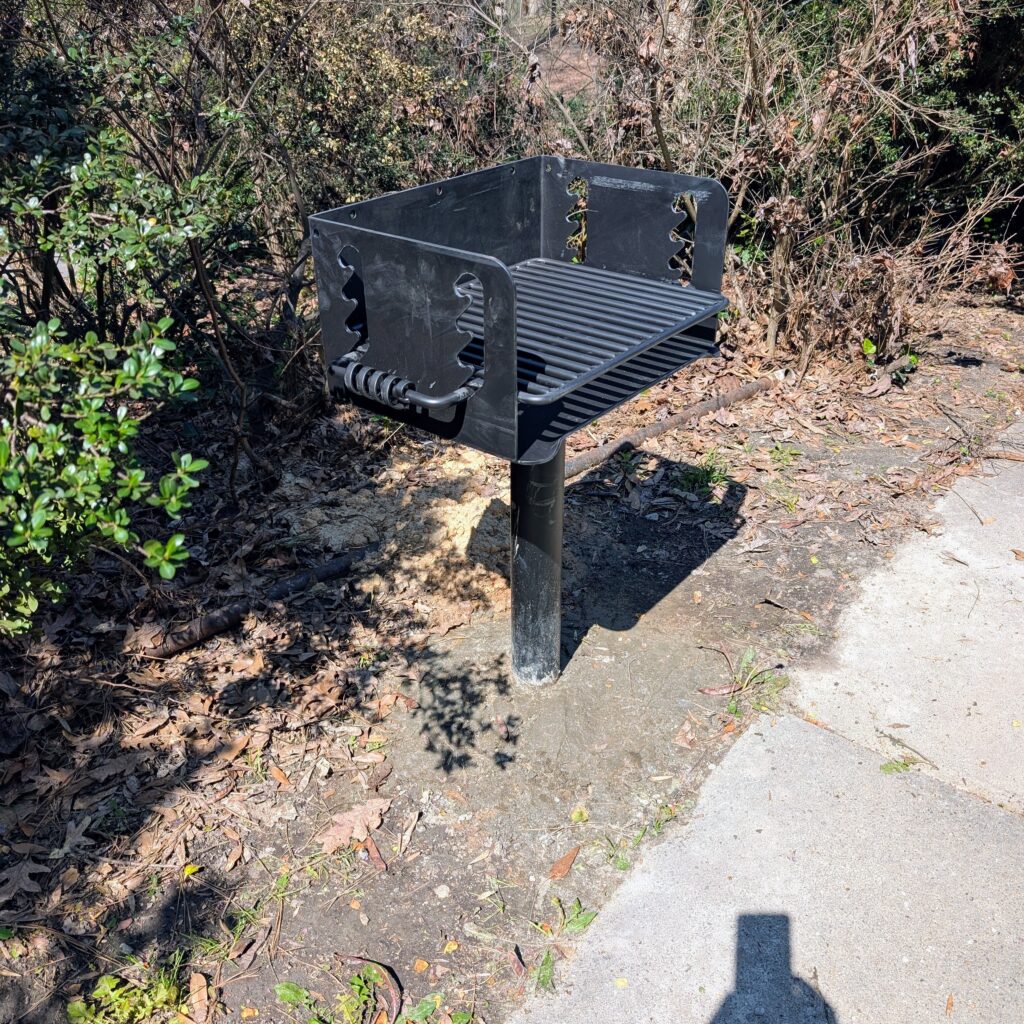
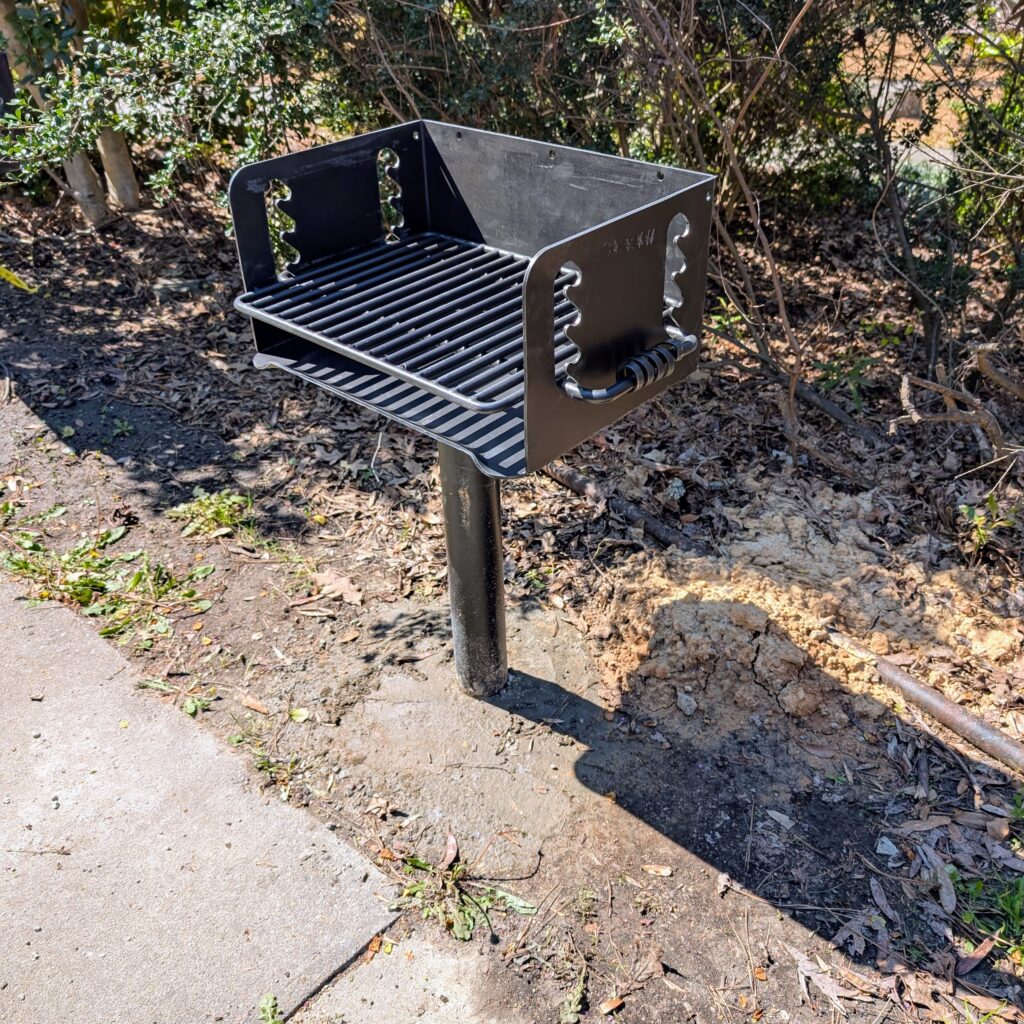
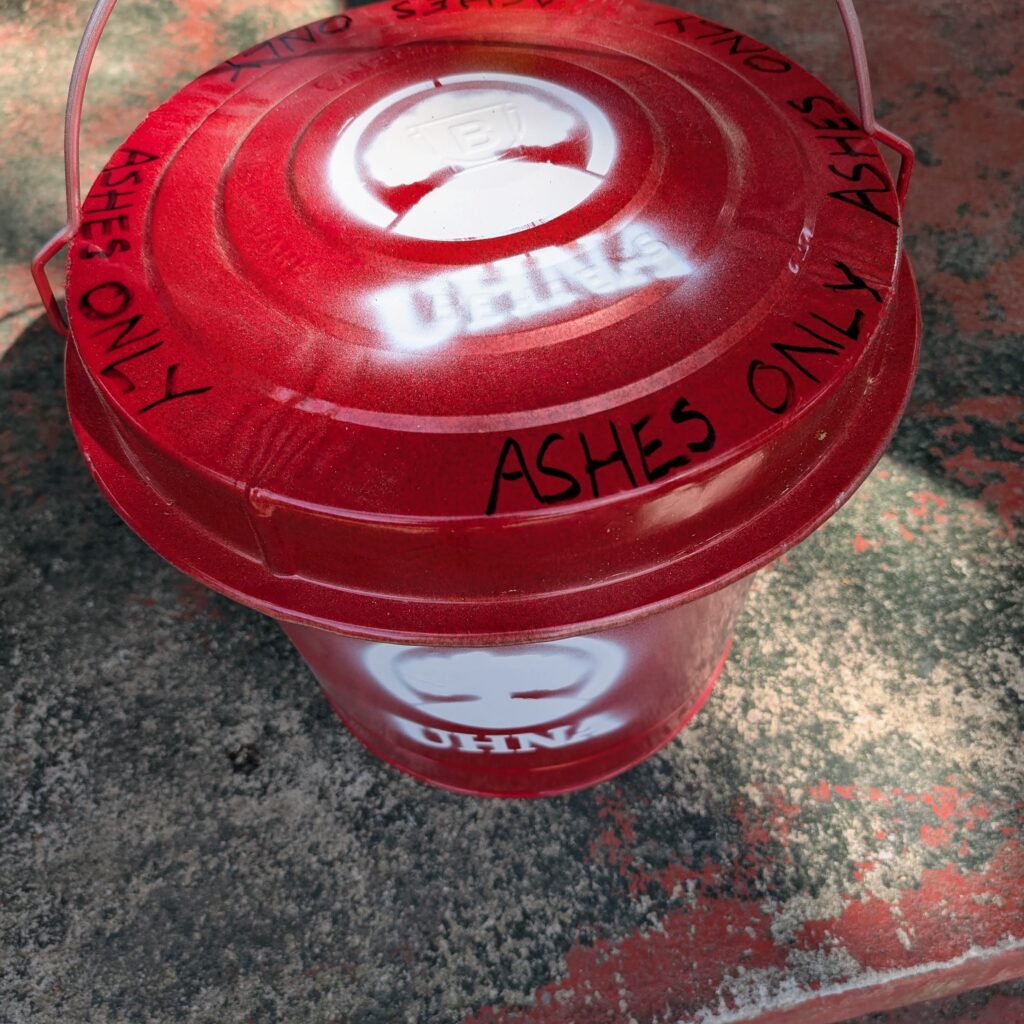
After a couple of years prevaricating, we finally have a new (additional) grill for Underwood Hills Park. Just in time for summer...
Big thanks to Bert Jacobs and Nelson Lindsay for assisting with the install, and to Members and Sponsors for providing the funds.
: JOIN the UHNA Become a Sponsor

UHNA Sponsorship Opportunities 2026
UHNA Communications
March 23, 2026
Support the neighborhood. Be part of the community.
UHNA sponsorship helps make neighborhood events, initiatives, and communication possible throughout the year. From community gatherings and family events to park cleanups, newsletters, and neighborhood outreach, sponsor support plays an essential role in keeping Underwood Hills connected.
Our sponsors are more than advertisers. They are visible supporters of the neighborhood and valued partners in the life of this community. In fact, 92% of residents say that UHNA sponsorship influences their buying decisions.
Your support is seen, valued, and remembered.
Whether you choose to support UHNA as a simple gesture of goodwill or as a more visible community sponsor, we are deeply grateful for your involvement.
Supporting Sponsor: $300 per calendar year
A simple way to support the neighborhood.
Ideal for businesses and individuals who want to show their support for Underwood Hills, even if they are not looking for substantial promotional visibility.
- Listing in the online UHNA Sponsor Directory with a link to your website or landing page
- Recognition as a Supporting Sponsor in the eNewsletter
- Online visibility only; not included in printed materials
Gold Sponsor: $600 per calendar year
Our standard sponsorship level.
Ideal for sponsors who want to support the neighborhood and maintain a visible, credible presence in the community.
- Prominent placement in the online UHNA Sponsor Directory with a link to your website or landing page
- Recognition in the eNewsletter with your logo
- Inclusion in printed UHNA materials, including printed newsletters
- Verbal recognition at UHNA meetings
- Sponsor presence at UHNA events
- Permission to use the UHNA logo in your communications
Platinum Sponsor: $900 per calendar year
Our featured sponsorship level.
Ideal for sponsors who want the highest level of visibility and recognition across UHNA communications and neighborhood events.
- Premium placement in the online UHNA Sponsor Directory with a link to your website or landing page
- Recognition in the eNewsletter with your logo
- Featured recognition in printed UHNA materials, incl. the printed newsletter
- Feature opportunities in UHNA social media and eNews
- Verbal recognition at UHNA meetings
- Premium sponsor presence at UHNA events
- Permission to use the UHNA logo in your communications
To join or renew as a UHNA sponsor for 2026, please select the sponsorship level that best fits your business and your connection to the neighborhood and contact sponsorship@underwoodhills.org to discuss further or to start your sponsorship today!
Big thanks to those who have already joined!
UHNA Communications
March 23, 2026
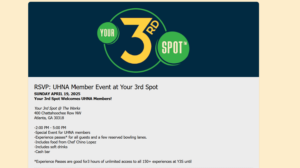
**Please save the date, as we'll be having a member-appreciation event April 19 at Your3rdSpot @The Works**
Be on the lookout for the invitation on your email.
If you haven't joined yet, no worries, you still have time!
You can use the QR code below or go to our website: JOIN the UHNA
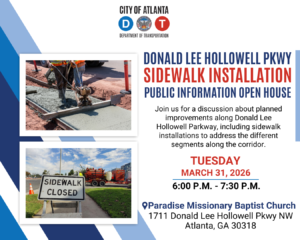
Public Information Open House March 31: Donald Lee Hollowell Pkwy Sidewalk Installation
UHNA Communications
March 21, 2026
 |
| Neighbors are invited to attend a Public Information Open House regarding proposed sidewalk installation along Donald Lee Hollowell Parkway. This meeting will be an opportunity to learn more about the project, review details, and ask questions. ATLDOT representatives will be on hand to share information and speak directly with community members. We encourage residents, property owners, and other stakeholders to attend and stay informed. Please see the flyer below for the date, time, and location. We hope you can join us. |
Park Beautification March 28, 9-12
UHNA Communications
March 17, 2026
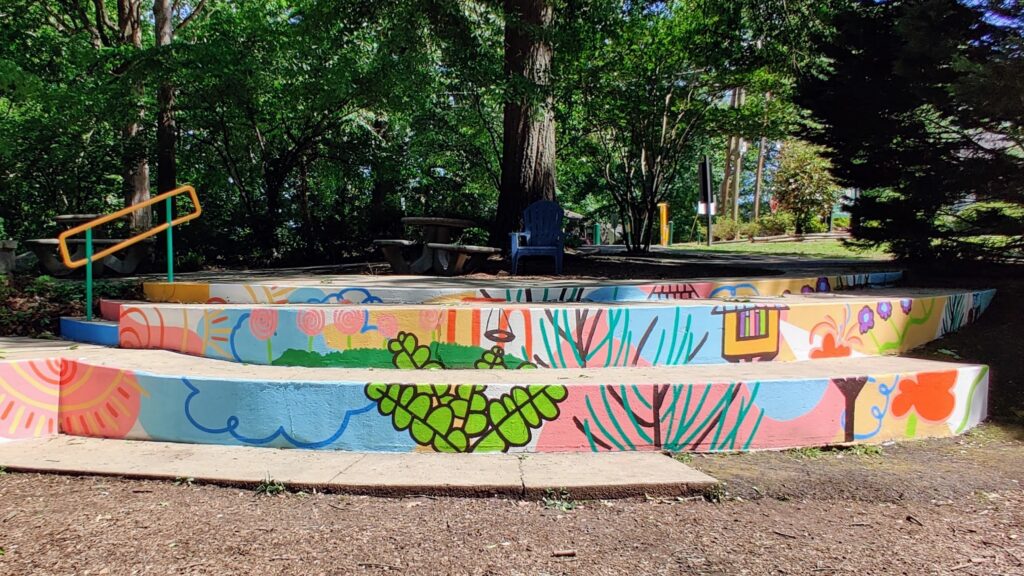
Come and join this Family friendly event in preparation for the Easter Egg Hunt.
We'll clean the Mural, spruce up tables and benches and surrounding areas.
Tasks include scrape and sand the old wooden surfaces, undercoat the new wood, cover with acrylic in matching color. Clean bleachers mural using soft brushes and soapy water so as not to damage the artwork. Depending on time and number of volunteers we may also stencil the UHNA logo on furniture using a white gloss enamel.
-Please Bring your own water bottle and wear suitable clothing.
-Bring scrapers and paint brushes if you have them.
-Bring soft cleaning brushes, bucket and detergent for cleaning if you'd like to clean the mural.
Students can earn community service hours via Tiersphere for APS students
Refreshments provided by UHNA Beautification Committee
Coming to your neighborhood: TAD Townhall May 9
UHNA Communications
March 17, 2026
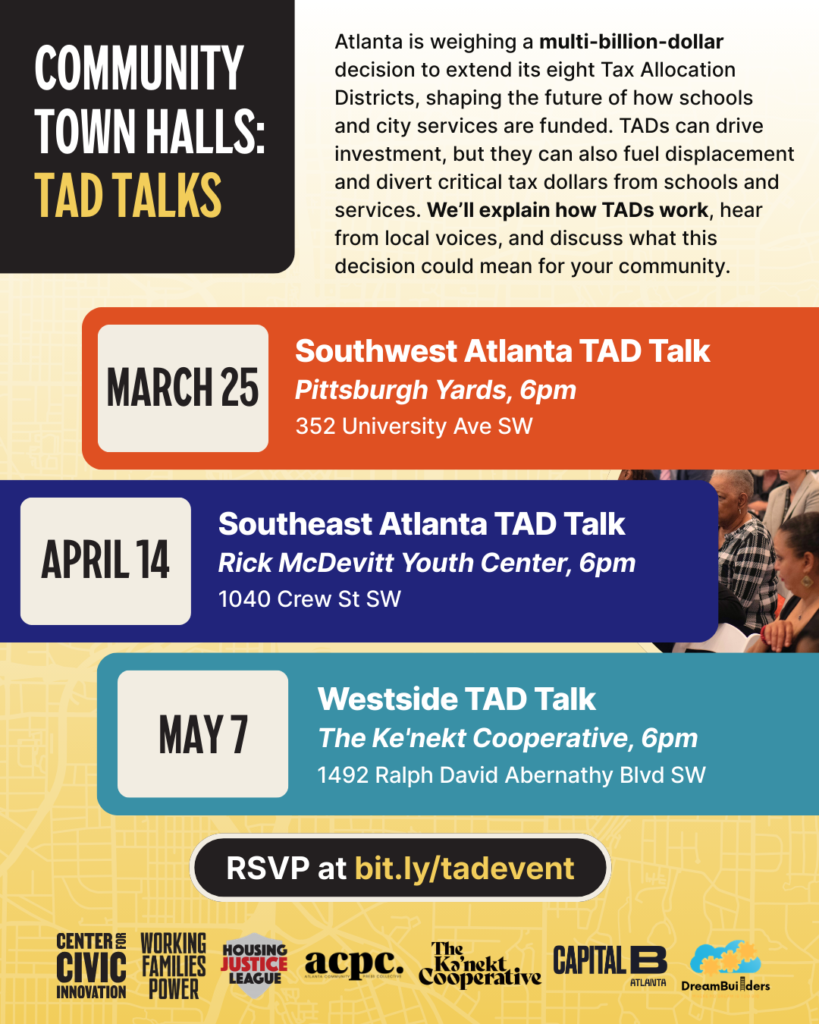
Atlanta is considering a multi-billion-dollar decision: whether to extend the city’s eight Tax Allocation Districts (TADs). The outcome will shape how schools, infrastructure, and essential city services are funded for years to come.
The Center for Civic Innovation and other partners are bringing TAD town halls to neighborhoods across the city — to break TADs down in plain language, hear from local voices, and make space for real questions and discussion about what this could mean for your community.
It is critical that neighborhoods are part of these discussions. Here is the link to RSVP: bit.ly/tadevent
Let me know if you have any questions. We hope to see you there!
Clara Totenberg Green (she/her/hers)
Director of Communications
Center for Civic Innovation | civicatlanta.org
404.210.6574
Crime & Time (February 21 – March 6)
UHNA Communications
March 16, 2026
In the last 2-week period (Feb 21 - Mar 6), 34 incidents were reported in Beat 204. Of those, two were reported in the area we patrol. One was the report of a missing license plate. The location and time of disappearance is unknown. The second report involved a UH resident being struck by a vehicle at I-75 / Howell Mill while on a scooter. The resident went home and reported the incident. Significant incidents reported in the surrounding area are summarized below.
- [Summary included in last crime and time report] On March 5, 2026, an Uber driver had a verbal dispute with 5 male passengers. He dropped the group off in the area of Collier / Defoor. One or more of the men began shooting at the Uber. The driver sustained multiple gunshot wounds. Officers arrived quickly and made multiple arrests at the scene. The driver was in stable condition.
- On March 6, 2026, three black males entered a restaurant on the 1100 block of Collier Road purporting to be inspectors. When an employee asked the men for identification, one of the men snatched the employee's cell phone and fled the location. With the assistance of Phoenix (APD's helicopter), the vehicle was located on Peachtree Road. Officers stopped the vehicle. The man that snatched the phone was identified and arrested for Robbery by Sudden Snatching.
Best,
Det. Kevin Leonpacher
Atlanta PD / Underwood Hills Patrol
3/26 Virtual Public Meeting: FootGolf @ Candler Park Golf Course
UHNA Communications
March 9, 2026
In advance of the World Cup and in an effort to continue to make Atlanta's public golf courses more welcoming and accessible to all, the Atlanta City Golf team is introducing FootGolf at the Candler Park Golf Course! FootGolf is a sport that blends the best of soccer and golf. We're hosting a virtual public meeting on Thursday, March 26 from 6 - 7 pm on Zoom to share details about the rollout, how it will be played alongside traditional golf, and what it means for expanding recreational opportunities in Candler Park.
Even though this course is in the NE Atlanta quadrant of the city, our four public courses (Tup, Browns Mill, Candler, and Chastain) serve Atlantans from all corners of the city, so we'd love to get the word out to everyone that this fun new activity will be available in Candler Park soon.
Curious about FootGolf at Candler Park Golf Course?
Join the Atlanta City Golf team for a virtual public meeting to learn more about the upcoming rollout of FootGolf and what it means for expanding recreational opportunities at the course.
This meeting will cover:
• What FootGolf is and how it’s played
• How FootGolf will operate alongside traditional golf
• Details about the proposed rollout at Candler Park Golf Course
• What this means for expanding access and recreation in our parks
March 26
6:00 – 7:00 PM
Virtual via Zoom
Join the meeting here:
https://www.cityofatlantagolf.com/events-list/footgolf/

Thank you in advance for your help, and please let me know if you need other info.
Rachel Maher
Deputy Commissioner, Partnerships + Enterprise
City of Atlanta Department of Parks and Recreation
160 Trinity Ave. SW, 3rd Floor | Atlanta, Georgia 30303 C: 404.973.9467 ramaher@atlantaga.gov | www.atlantaga.gov
Crime & Time (Feb 7 – 20)
UHNA Communications
March 9, 2026
Significant Incident
Early this Thursday around 5:00 am, an Uber driver had a verbal dispute with 5 male passengers. He dropped the group off in the area of Collier / Defoor. One or more of the men began shooting at the Uber. The driver sustained multiple gunshot wounds. Officers arrived quickly and made multiple arrests at the scene. The driver was in stable condition.
In the last 2-week period (Feb 7 - 20), 41 incidents were reported in Beat 204. Of those, one occurred in the area we patrol. That incident was non-criminal and involved a welfare check. Everyone was okay.
A summary of the types of incidents reported in the surrounding area:
Significant Incidents:
On February 18, 2026, a shoplifter at 1801 Howell Mill Rd became violent and pushed an employee causing injury. The incident was classified as a robbery due to the force used. The incident is under investigation by the Robbery Unit.
Best,
Det. Kevin Leonpacher
Atlanta PD / Underwood Hills Patrol
UHNA Baby Welcoming Committee!
UHNA Communications
March 2, 2026

If you are pregnant or know someone in the neighborhood who is pregnant, let us know! The Baby Welcoming Committee brings adorable Winnie + Crew clothes and a meal from Floral Park Market to families with new additions! Reach out to Melissa Blair, Molly Kloos, or Jen Roane with any new or expecting baby info!
E Rivers Kindergarten Kaleidoscope
UHNA Communications
March 2, 2026
Rising Kindergarten parents and children, E Rivers is hosting our annual Kindergarten Kaleidoscope on Thursday, March 12th at 3pm! This is a fantastic chance for parents and students to come meet teachers, see future classmates, tour the Kindergarten classrooms and get excited for next year! If you are interested in attending, please RSVP to Melissa or Molly at eriverswelcomedesk@gmail.com. For more information, please see the attached flyer. We hope to see you there!
APS Pre-k lottery
UHNA Communications
March 2, 2026
Pre-K Lottery - Registration is live! Applications opened yesterday, Monday, February 23rd at 9am. For more information, please click HERE. Applications close on Friday, March 20th at 11:59pm and the lottery drawing will be held on Tuesday, March 31st.