
- July 2026
- June 2026
- May 2026
- April 2026
- March 2026
- February 2026
- January 2026
- December 2025
- November 2025
- October 2025
- September 2025
- July 2025
- June 2025
- May 2025
- April 2025
- March 2025
- February 2025
- January 2025
- December 2024
- November 2024
- October 2024
- September 2024
- August 2024
- July 2024
- June 2024
- May 2024
- April 2024
- March 2024
- February 2024
- January 2024
Playgroup Starts Friday Aug 7
 Underwood Hills Admin
 July 24, 2026

Playgroup will start Aug 7 for the first week of school. Friday Aug 7 we will have popsicles and Firestation 23!
We will meet every Friday Aug 7 - Dec 18 except for: Sept 25, Oct 16 and Nov 27.
Here is the link to sign up to host: https://www.signupgenius.com/go/10C0948A8AF2AA1F5C07-57675075-uhna
Forest Restoration in Underwood Hills Park Aug 8
Underwood Hills Admin
July 24, 2026

Help promote a healthy plant community and a sustainable forest in Underwood Hills Park. Your work will improve habitat for humans who use the greenspace for recreation and wildlife that call it home. Activities include hand-pulling and cutting invasive plants such as English ivy, Chinese privet, and kudzu.
Eligible for High School Community Service Hours
9am-12pm Saturday August 8.
Meet near the tennis courts. Bring your own water bottle. Refreshments provided by UHNA Beautification Committee.
Signup at Trees Atlanta;

Crime & Time (June 27 – July 10)
Underwood Hills Admin
July 24, 2026
In the last two-week reporting period (June 27–July 10), 38 incidents were reported in Beat 204. Of those, two involved Underwood Hills residents. One occurred outside the area we patrol, near Publix, and involved the same individual as the second incident.
I authored the second report following an interaction with a male subject suspected of inappropriate contact with a juvenile and aggressive behavior toward others in Underwood Hills.
My contact with the subject resulted from increased patrols in response to reports of his behavior. During our interaction, he made several statements that were provided to the Special Victims Unit detective leading the investigation.
The subject, 42-year-old Nile Rickman, was arrested the following day on charges related to multiple incidents. He remains in the Fulton County Jail.
There were no other significant incidents to report.
Det. Kevin Leonpacher
Atlanta PD / Underwood Hills Patrol

Fall 2026 Community Leadership Institute of Atlanta
Underwood Hills Admin
July 24, 2026

| The Community Leadership Institute of Atlanta (CLIA) is offered by the City of Atlanta Department of City Planning in partnership with Clark Atlanta University’s Office of Online Learning & Continuing Education. CLIA equips Atlanta residents with knowledge, skills, and tools to create meaningful, community-driven change. Grounded in Atlanta’s rich legacy of activism, neighborhood leadership, and civic participation, the program explores the Neighborhood Planning Unit (NPU) system, the social movements that shaped the city, and practical leadership strategies for today’s challenges. Participants learn how to navigate local government, build inclusive coalitions, communicate effectively, and apply ethical, culturally responsive approaches to community development. Whether you are stepping into neighborhood leadership for the first time or expanding your impact, CLIA helps you lead with clarity, purpose, and resilience. Fall 2026 Term (August 29–November 7, 2026) Program Format: Required in-person sessions supported by asynchronous online learning through Canvas Schedule: Every other Saturday, 9:00 a.m.–2:00 p.m., unless otherwise noted Location: Clark Atlanta University and select historical and civic sites throughout Atlanta Program Cost: The Community Leadership Institute of Atlanta is free and made possible through public funding and City of Atlanta resources. For more information and to apply, visit NPUAtlanta.org/cli. Apply Today |
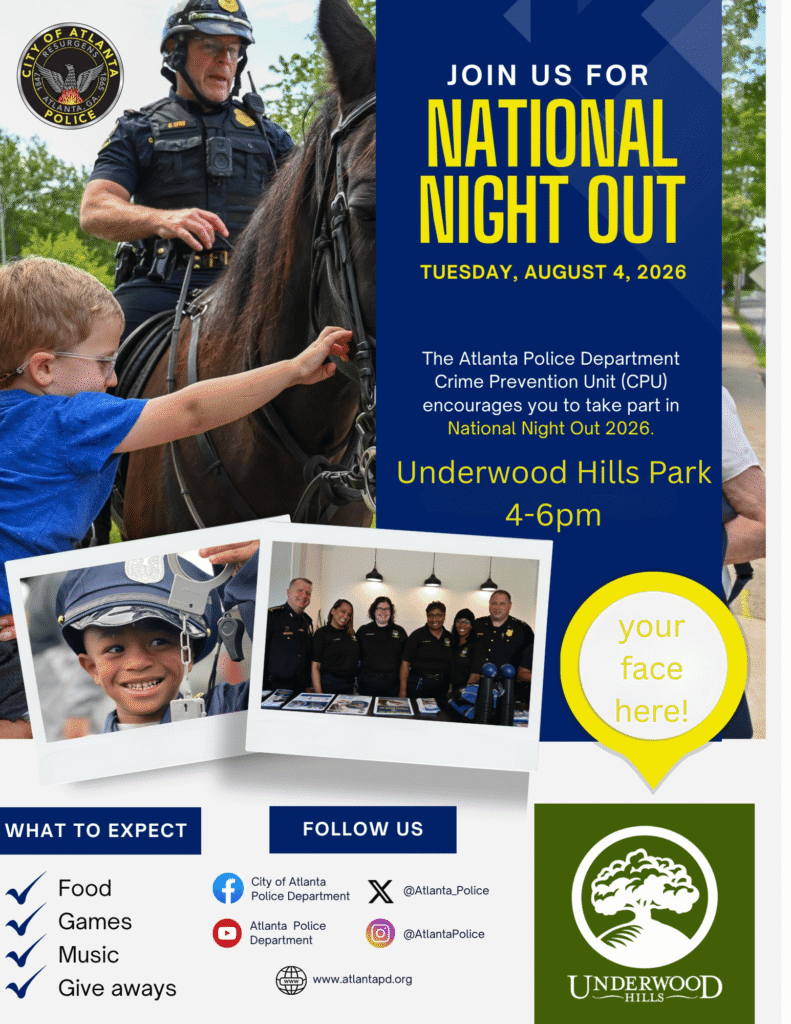
Dont! Save the date!!!! National Night Out Aug 4
Underwood Hills Admin
July 6, 2026
Unfortunately, due to a lack of response from some event partners, the Underwood Hills neighborhood will NOT participate in the National Night Out this year.
Instead we're hoping to transfer some of the organized activities to the Friday Playgroup as a 'back to school' celebration.
Stay tuned!
Mural Update- Draft Design
Underwood Hills Admin
July 6, 2026
The proposal is scaled down to match the NPU grant funding award (which was below what we had requested). Local artist Elaine Stephenson who specializes in florals confirmed she is game to take on the project within the budget with UWCID covering materials and securing a bond. Her interpretation of the community's preferred concept theme of Seasonal Transitions draft design pdf is attached here.
We need the community's help identifying any edits/revisions that should be made to the design to further reflect the neighborhood. You can review Elaine's portfolio of previous work to get an idea of her style.
The more specific the feedback, the better! We need the neighborhood's comments by Tuesday, July 14th for us to relay to Elaine. Once she has incorporated changes, our next step will be to submit everything for final review by GDOT. We look forward to hearing from all interested neighbors.
submit feedback before July 14 to uhadmin@underwoodhills.org
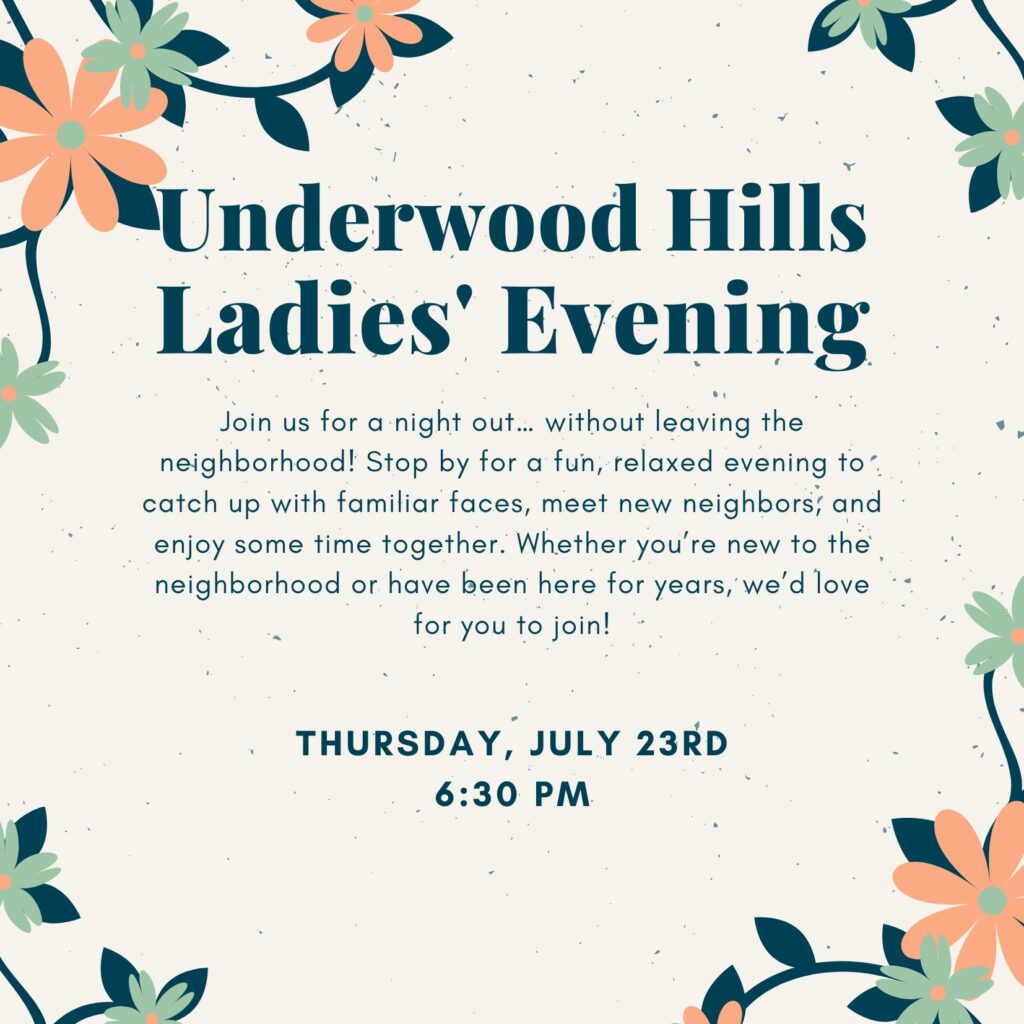
UHNA Ladies Social
Underwood Hills Admin
July 5, 2026
Tree Removal Assistance for Seniors
Underwood Hills Admin
July 5, 2026
| For many senior homeowners, the cost of removing a hazardous tree can be out of reach. The Tree Removal Assistance Program (TRAP) helps eliminate that barrier while making neighborhoods safer. Through the Tree Removal Assistance Program (TRAP), the City provides vital support to low-income senior homeowners by covering the full cost of removing dead, dying, or declining trees that pose a safety risk. Our city arborist team even provides a no-cost replacement tree to keep our local canopy healthy and thriving. It’s a great resource to help bring peace of mind to our communities. If you or someone you know might qualify, contact the City Arborist Division at 404-546-6874 to learn more and start the application process. |
 | Who Qualifies?Must be 65 or older.Have a household income of $40,000 or less.Receive a City of Atlanta low-income senior homestead exemption. |
 |
Crime & Time (June 13 – 26)
Underwood Hills Admin
July 5, 2026
In the last 2-week period (June 13 - 26), 42 incidents were reported in Beat 204. Of those, 1 occurred in the area we patrol.
On June 26, 2026, APD received a report from a resident who reported a homeless man, who is often seen in the neighborhood, approaching and contacting a child inappropriately. This incident is actively under investigation by the Special Victims Unit, who has been in communication with the victim's family.
While we have received some information from residents and are familiar with a few people that wander the neighborhood, the patrol is also aware of internal communication between residents about one or more individuals that frequent the neighborhood - much of which occurs through private communication or third party social media applications like Nextdoor.
It is imperative that residents call 911 when witnessing suspicious activity. The security patrol is not a 24/7 service and is intended to supplement the primary enforcement efforts of the on-duty APD Zone 2 officers. While we encourage residents to call, text, or email the patrol when something happens, an immediate call to 911 is the most appropriate way to report incidents when they occur and to ensure law enforcement is aware of recent incidents.
We will be adding additional patrol shifts in the neighborhood with an increased focus on Underwood Hills Park, coordinating closely with the Special Victims Unit to provide any assistance we can, and working alongside Zone 2 officers to address these concerns. Keeping our communities safe is a shared responsibility between residents and law enforcement. The Underwood Hills Patrol and the Atlanta Police Department's Zone 2 officers remain committed to working together with the community to ensure the safety and security of our neighborhood.
Det. Kevin Leonpacher
Atlanta PD / Underwood Hills Patrol
BCN Meeting Report
Underwood Hills Admin
June 15, 2026
Courtesy UHNA VP Beau Grant. (UHNA is a member org of BCN and Beau is our Rep.)
I asked both questions. (Robb Pitts air fist bumped me across the room afterwards.)
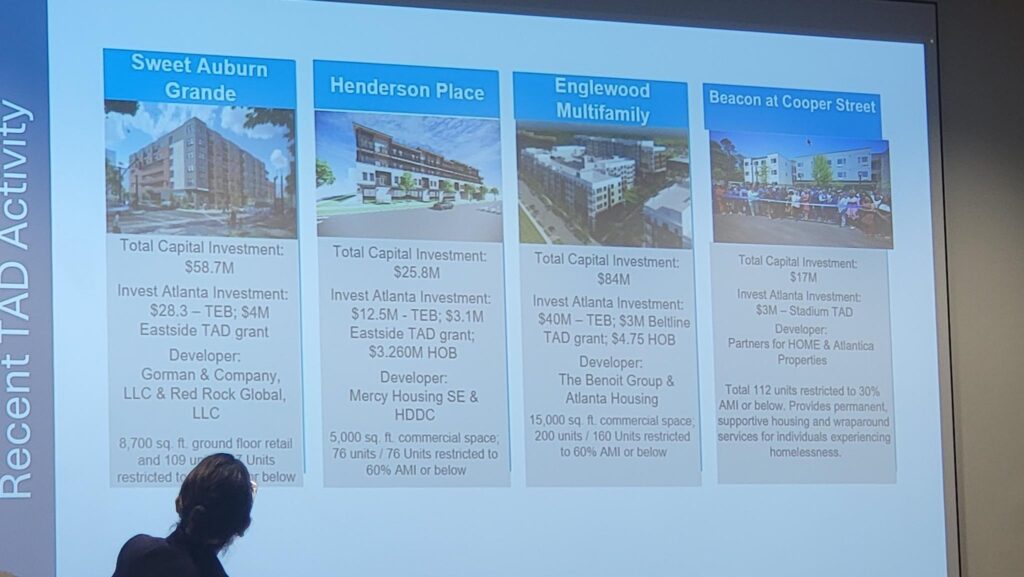
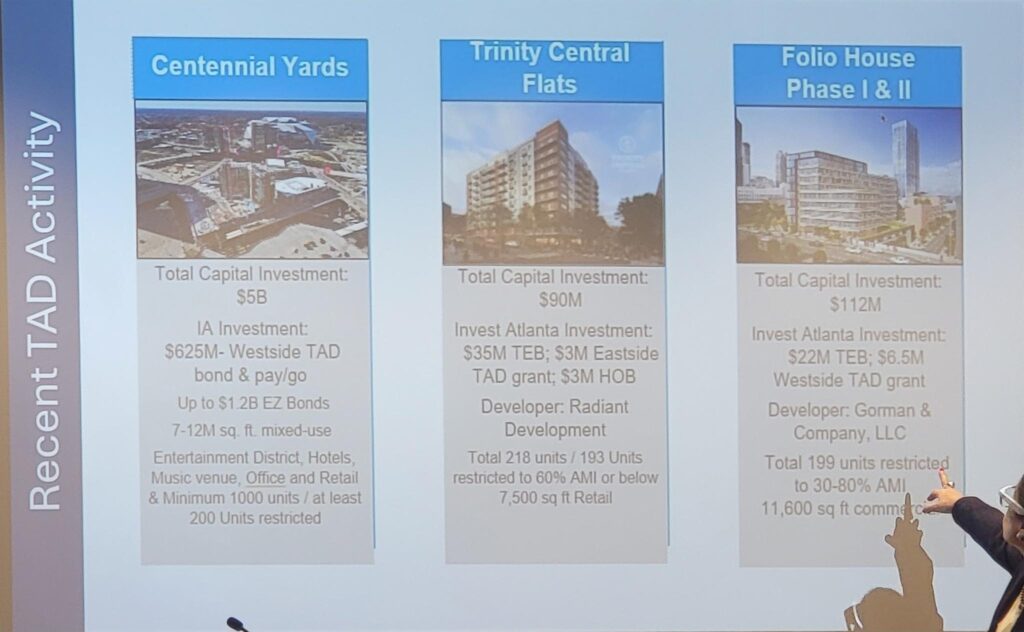
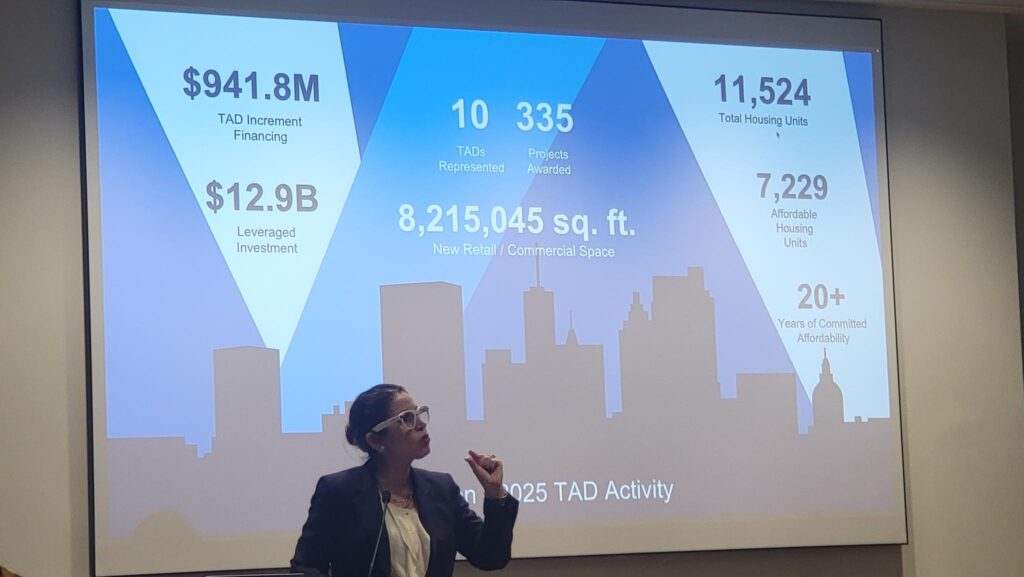
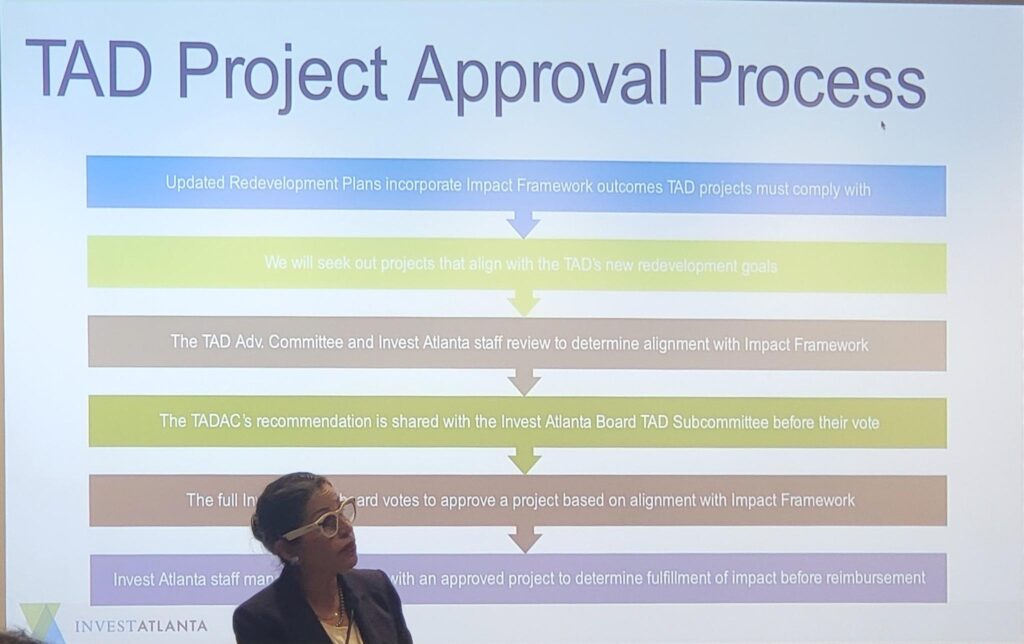
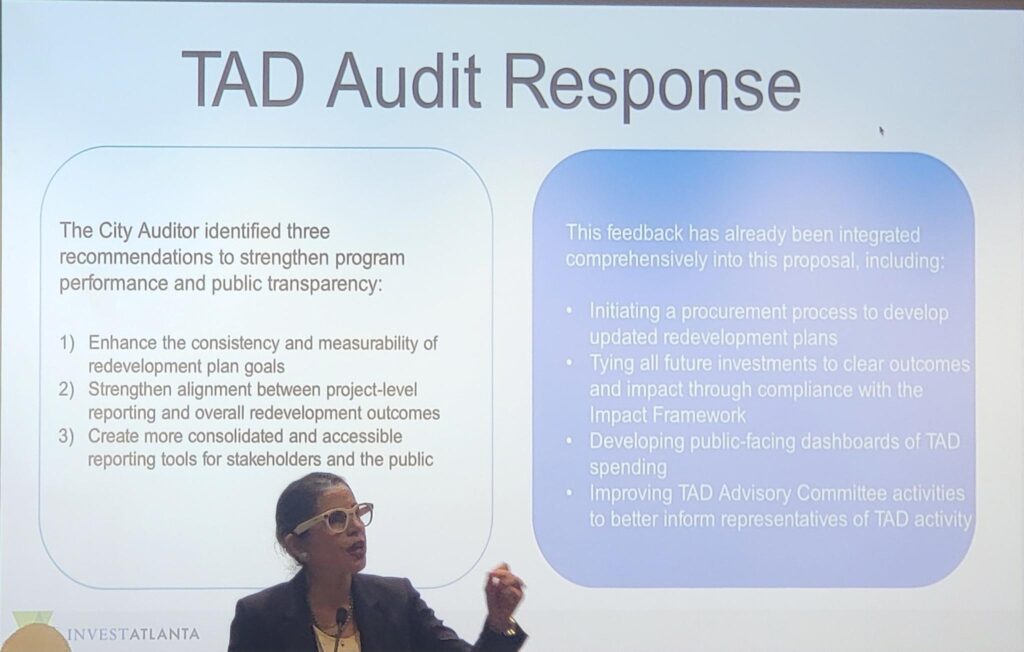
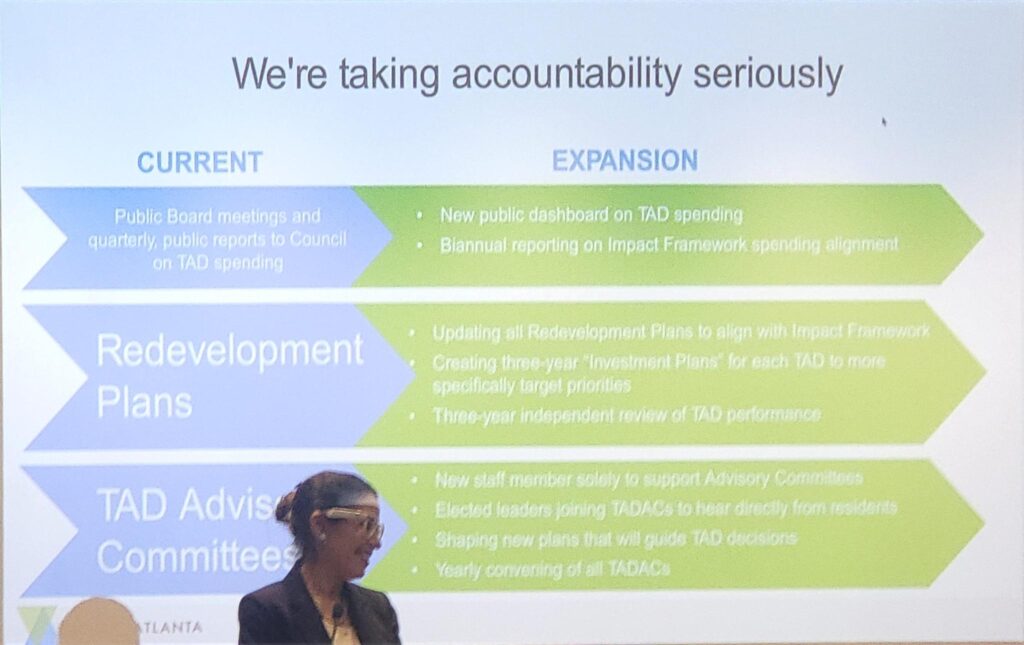
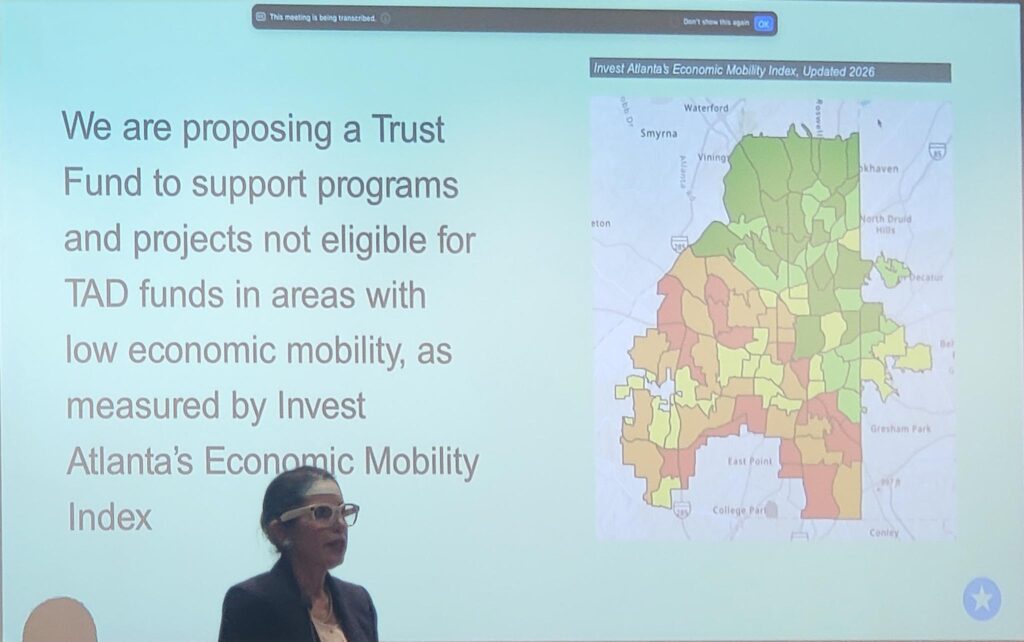
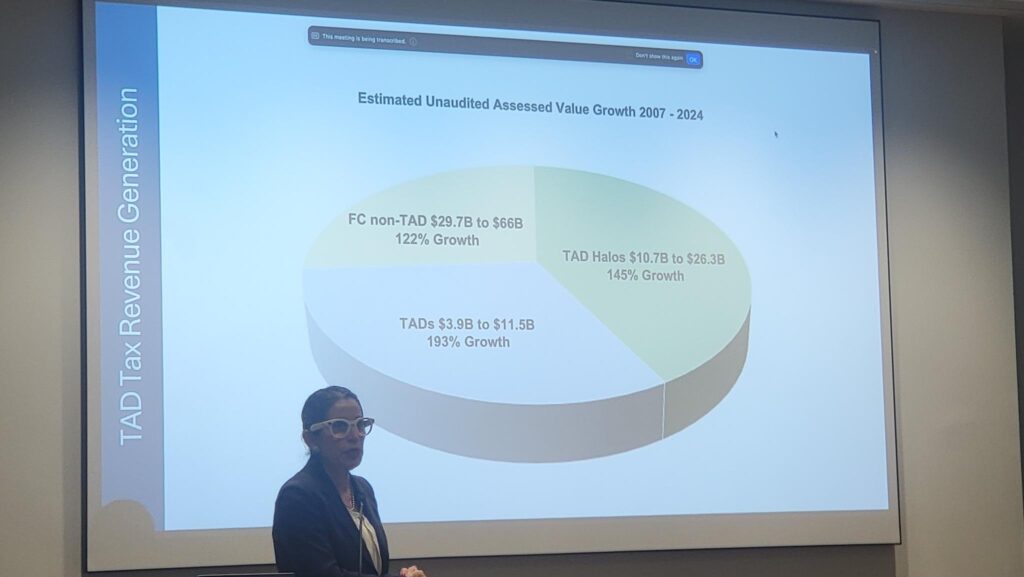
The last BCN meeting was basically a long presentation by Invest Atlanta.
When asked about the Economic Impact of the 100s of millions in taxes they have taken in, attendees were told they do an internal impact assessment and since 2003 haven't done even one 3rd party independent assessment.
Not good.
Also, one of Invest Atlanta's missions is to improve access to food. Not one dime has funded Food Forest projects. Not one dime.
Crime & Time (May 30 – June 12)
Underwood Hills Admin
June 15, 2026
In the last 2-week period (May 30 - June 12), 33 incidents were reported in Beat 204. Of those, two occurred in the area we patrol.
- June 7 - a resident in the neighborhood filed a non-criminal report regarding a family matter
- June 10 - Det. McClure impounded an abandoned vehicle on Seaboard Ave. Det. Leonpacher previously tagged the vehicle notifying the owner it would be impounded if not removed within 5 days.
There were no significant incidents to report.
Best,
Det. Kevin Leonpacher
Atlanta PD / Underwood Hills Patrol
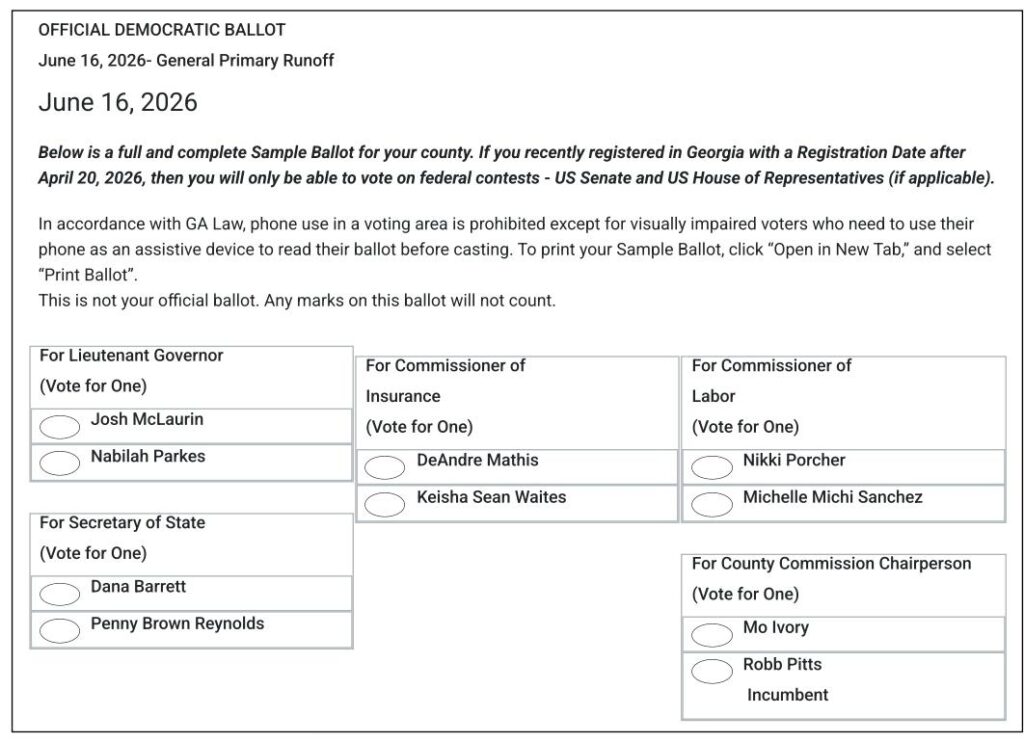
The Georgia General Primary Runoff is tuesday!
Underwood Hills Admin
June 15, 2026
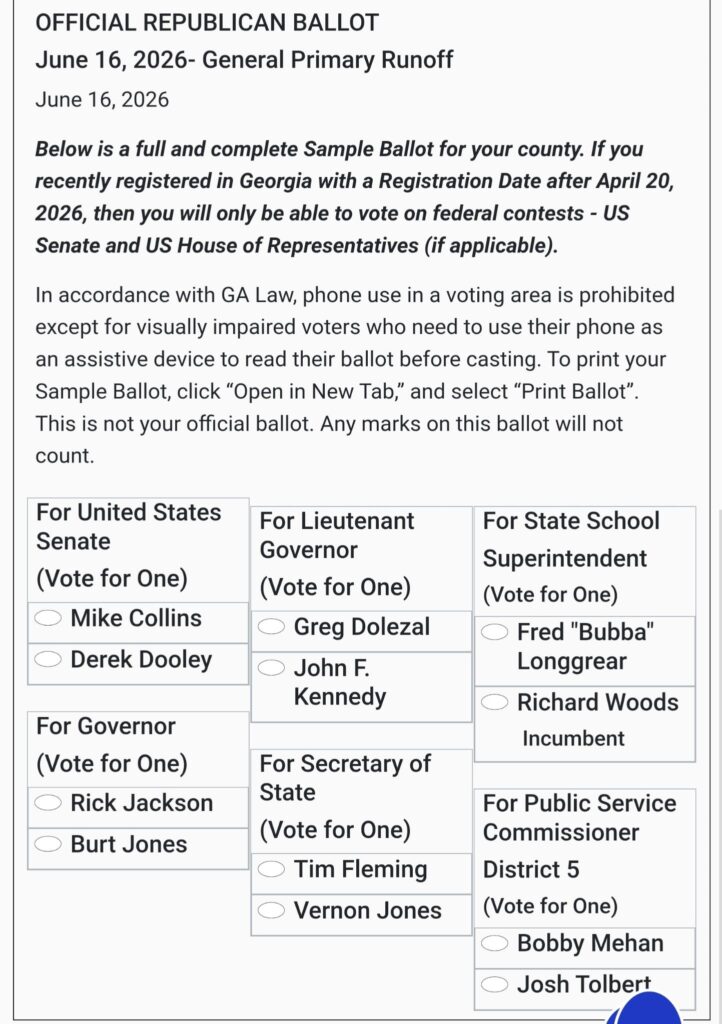
This is a quick reminder that tomorrow, Tuesday, June 16, is Election Day for the General Primary Runoff.
Runoff elections are critical, yet voter turnout in these cycles is historically exceptionally low—often hovering at around 5% of registered voters citywide. Because turnout is so low, hyper-local races are frequently decided by just a handful of votes. Your ballot carries an immense amount of weight in shaping our local leadership and policy.
Please take a few minutes to cast your ballot tomorrow, and consider forwarding this reminder to your neighborhood association members and networks to encourage them to do the same.
Voting Hours: Polls are open tomorrow from 7:00 AM to 7:00 PM. Please remember that as long as you are in line by 7:00 PM, you are legally entitled to cast your vote.
Find Your Polling Place: You must vote at your specifically designated precinct on Election Day (which may differ from your early voting location). You can double-check your current polling place, confirm your registration status, and view a sample ballot on the Secretary of State's official portal: Georgia My Voter Page (mvp.sos.ga.gov).
Crime & Time (May 16 – 29)
Underwood Hills Admin
June 8, 2026
In the last 2-week period (May 16 - 29), 36 incidents were reported in Beat 204. Of those, none occurred in the area we patrol. There were no significant incidents to report.
Best,
Det. Kevin Leonpacher
Atlanta PD / Underwood Hills Patrol
REMINDER: Security Patrol Subscribers can request a check on their property whilst on vacation.
See your subscriber information for details.
Applications Now Open | Urban Plan Academy for Community Leaders
Underwood Hills Admin
June 8, 2026
Urban Plan Academy for Community Leaders is a one-day course offered in partnership with the Urban Land Institute of Atlanta. Through a project-based approach, participants will engage in a scenario involving a city-led redevelopment effort -- honing their negotiation skills with the fictional city's elected officials, neighborhood, development team, and community. Date: Saturday, June 27, 2026 Date: Saturday, June 27, 2026 Time: 9:00 am - 3:00 pm Time: 9:00 am - 3:00 pm Location: To Be Announced; In-Person Location: To Be Announced; In-Person Lunch provided Lunch provided |


BCN Meeting – June 11, 2026
Underwood Hills Admin
May 26, 2026
| Please join us for the next meeting of the Buckhead Council of Neighborhoods on Thursday, June 11th, at 6:45 PM. We are pleased to welcome representatives from Invest Atlanta, the city’s official economic development authority. This meeting will be a valuable opportunity to hear updates on city-wide economic initiatives, local development projects, and programs impacting our communities. Thank you for your continued dedication to keeping our neighborhood vibrant and informed. We look forward to seeing you there! |
| Piedmont Center Auditorium Bldg. 14, 3535 Piedmont Rd., NE (Ample parking and easy access) |
Join NPU-D Meeting online Tonight!
Underwood Hills Admin
May 26, 2026
The agenda for tonight's virtual NPU-D meeting is linked below along with the draft minutes from last month's meeting. There is a link to the meeting registration in the agenda and the URL for that is copied in the meeting invitation below:
At the NPU-D meeting this evening the UHNA could use your support. There has been discussion after our recent meeting around the zoning Application for the new Selig development to be MRC-3 vs MRC-2. MRC-3 in a nutshell allows for higher density developments and significantly larger buildings. While in our general UHNA meeting Selig agreed to limit their use to 110 feet, rezoning one property to MRC-3 allows for other development down the line to potentially be rezoned to this and opens up the potential for heavier development, even more than it is today.
I hope you can dial into the zoom call @730 this evening
You are invited to a Zoom meeting: May 26, 2026 07:30 PM Eastern Time (US and Canada)
Register in advance for this meeting: https://us06web.zoom.us/meeting/register/tJEucu2upzgvGNRkuGmiYcE2akuYMkFc1av-
After registering, you will receive a confirmation email containing information about joining the meeting.
James Martin, 2026 Chairperson NPU-D
Election Day Voting Locations
Underwood Hills Admin
May 18, 2026
If you missed the opportunity to vote early, Tuesday May 19 is the Primary Election Day (and the General Election Day is November 3). Voting is open from 7AM-7PM and the Underwood Hills' voting location is at Springfield Missionary Baptist Church located at 1730 Hollywood Road NW Atlanta, GA 30318-3410. This election is used by political parties to choose their nominees for the November General Election. It also includes nonpartisan offices, like many judges, where the actual winner is decided on this day.
For more information on the voting precinct, ballot and the General Elections click below:
Find My Polling Site
On Election Day, Fulton County residents have to vote at their assigned polling location. Use these resources to access the Georgia Elections Portal, to find Voting Locations, Voting Districts, and Voting Precincts.
Georgia-general-election-2026 information.
This information is from the Fulton County website. Full list of voting locations
Playground Cleanup
Underwood Hills Admin
May 18, 2026
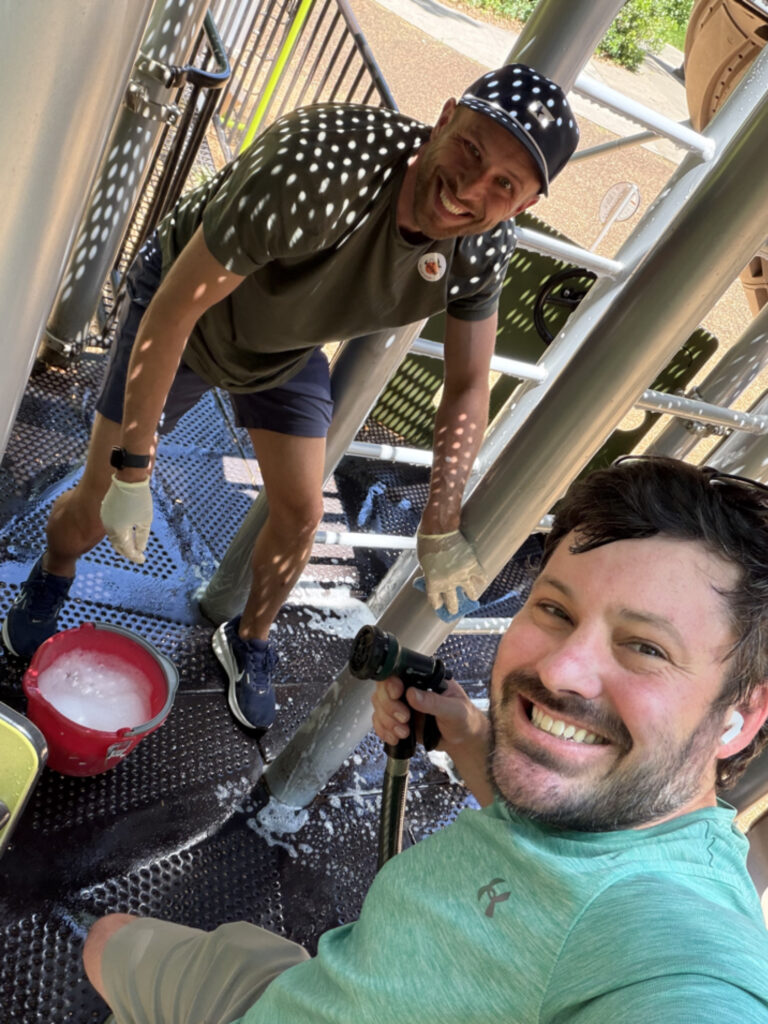
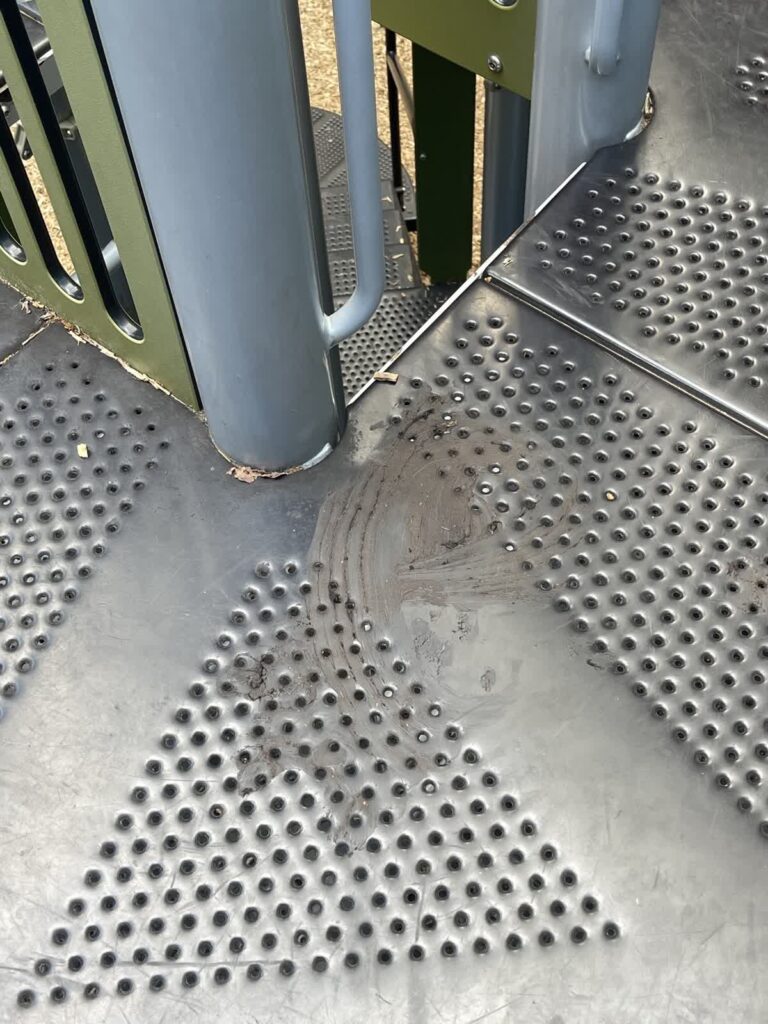
UH Neighbor Highlight! After a mysterious brown substance (was it cake?), appeared on the playground equipment, a few honorable neighbors who have extensive experience in potty training their children, rolled up their sleeves and got to work! Big thank you to Melissa Blair, Chris LeCraw and Daniel Armstrong for bringing the Clorox and pressure washing magic to clean up the equipment! Thanks to you all for keeping our equipment sparkling clean so the kiddos can keep on playing.
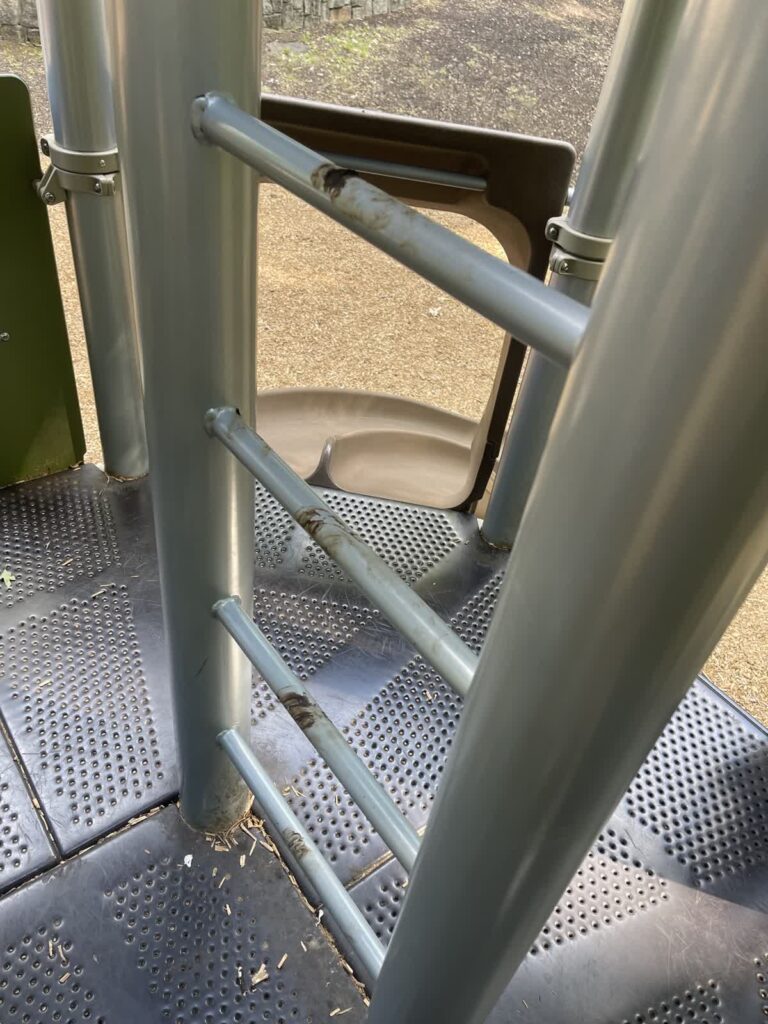
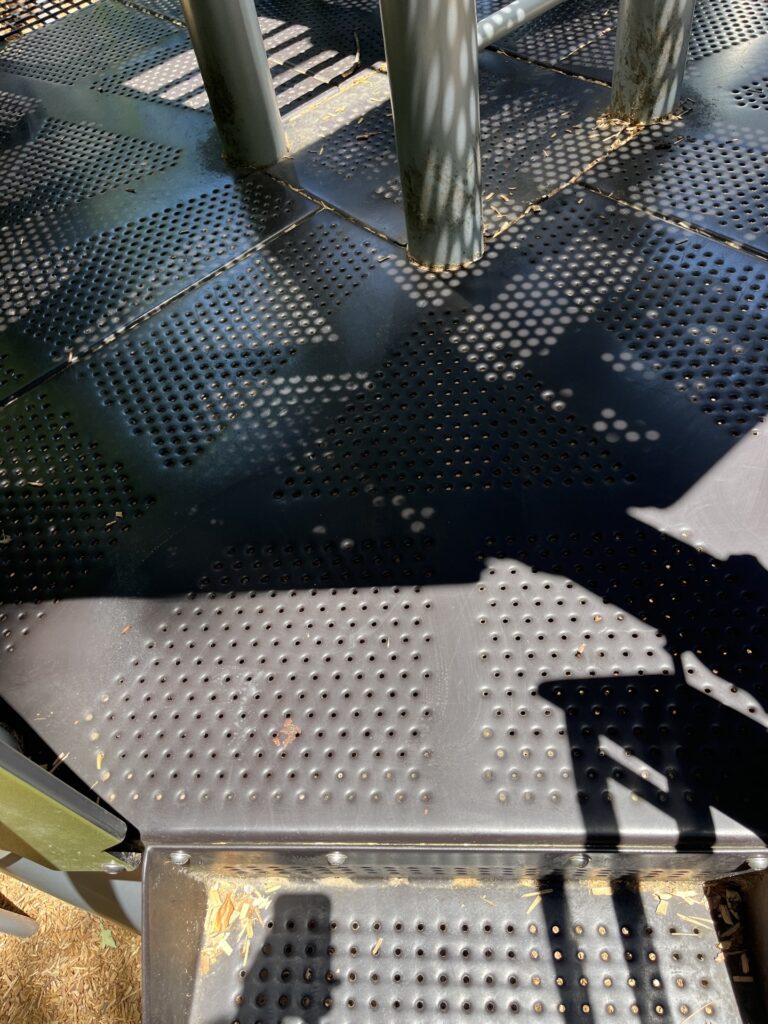
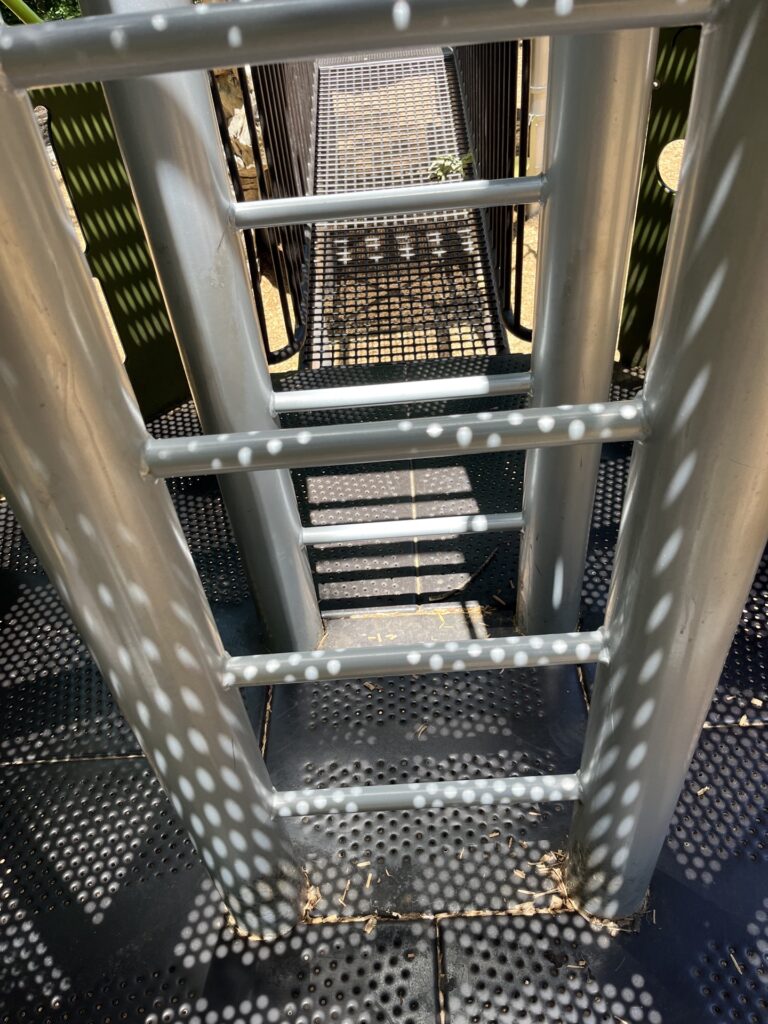
Playground cleanup link:
https://www.instagram.com/p/DYaMO8vFTPj/?igsh=MXJoYjFsb2NzZXFpNg==